The Drum | What UX designers can learn from the fashion industry
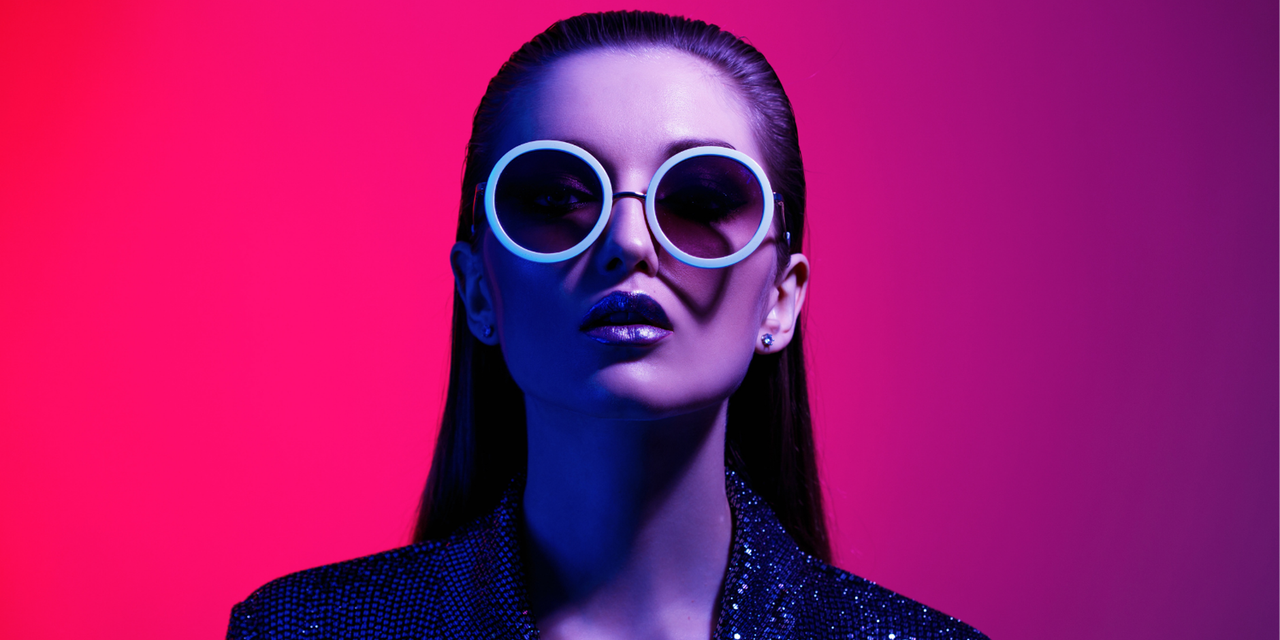
“The perspective gained from experiencing design with fresh eyes provided by the lens of working in adjacent industries is priceless.”
After graduating with a degree in menswear design, Obi Anazodo pursued a career in the fashion industry. Since then, he’s worked with New York’s premier apparel companies and retailers. With several years of research, design and customer experience under his belt, he transitioned into the tech industry in search of new opportunities to further hone his skills. Now a user experience (UX) designer at Code and Theory, he’s discovered some important similarities between the fashion and tech industries. Here’s what you need to know.
Design is design, regardless of its origin. It has always been a process-driven endeavor, and each discipline has its own set of challenges that can be solved utilizing similar design principles. Parallels can be drawn across industries, and solutions can be shared regardless of the package a problem is presented in. Here are two key lessons I’ve learned having been on both sides of the fence.
1. Identify your showstoppers
Across both the fashion and tech industries, businesses need to capture the attention of users or customers to encourage them to purchase either a product or service being offered. In the fashion industry, it is widely understood that designers must entice customers with ‘showstoppers’ or garments provocative enough to catch their attention. These are the looks you see on mannequins in store windows, worn by celebrities on the red carpet or on the cover of celebrated fashion magazines.
In tech, search engine optimization (SEO) is utilized to improve and refine the amount of website traffic to a website or a web page from search engines. As UX designers, we’re tasked with designing web pages that maximize their ability to be registered by search engines. Doing so will improve the likelihood that they appear first in your list of searchable options. This is accomplished by prioritizing keywords relevant to the product or service. It’s important to ensure that the value proposition is clearly stated using words that are likely to be searched by potential customers.
2. Test and learn what’s truly in fashion
A large part of your role as a fashion designer is coming up with something new each season. This ideation is influenced by the performance of previous collections and current trends in the industry. Once the ideas are formed, mockups or low-fidelity samples are created using available trims and fabrics. The design is critiqued by your peers and the sample is tested for form, fit and function on a model. After the sample passes inspection, a salesman or high-fidelity sample is created and shown to buyers or stakeholders for purchase to be placed in retail stores.
In the tech industry, proposed solutions are typically backed by user-testing, and vetted by quality assurance teams to meet accessibility standards. Users or humans preview an early-stage version of the product or service being tested. Ease of use, readability and engagement are variables commonly assessed by users. Accessibility standards are vetted to ensure that the website or web page is compliant with facets such as color contrast and font size.
Regardless of the industry, solutions always require research and development. Products need to be critiqued and tested. Successful solutions are backed by qualitative and quantitative results. Customer and business requirements must be met.
These parallels merely touch the surface of similarities shared between the practice of design in the apparel and digital product industries. The perspective gained from experiencing design with fresh eyes provided by the lens of working in adjacent industries is priceless.
About the Code and Theory Network
The Code and Theory Network is the only network with a balance of 50% creative and 50% engineers at scale. The technology and creative network within Stagwell Group is built to experience change for businesses that need to navigate the complexity of changing consumer behaviors, emerging technologies and AI. With a global footprint and the capabilities to work across the entire consumer journey, we crave the hardest problems to solve. The network includes the flagship agency Code and Theory as well as Kettle, instrument, Left Field Labs, Mediacurrent, Rhythm and Truelogic. Code and Theory clients include Amazon, Apple, JPMorgan Chase, Mayo Clinic, Microsoft, NFL, Pfizer and Yeti.
Let’s get to work. Start a conversation.
newbiz@codeandtheory.comCode and Theory is a proud member of Stagwell Group. Stagwell is the challenger network built to transform marketing. We deliver scaled creative performance for the world’s most ambitious brands, connecting culture-moving creativity with leading-edge technology to harmonize the art and science of marketing. Led by entrepreneurs, our 13,000+ specialists in 34+ countries are unified under a single purpose: to drive effectiveness and improve business results for their clients. Join us at www.stagwellglobal.com
Decode
Keep up with the culture, one newsletter at a time. Subscribe to DECODE:
Find Us
One World Trade Center,
69th Floor
New York, NY 10007